
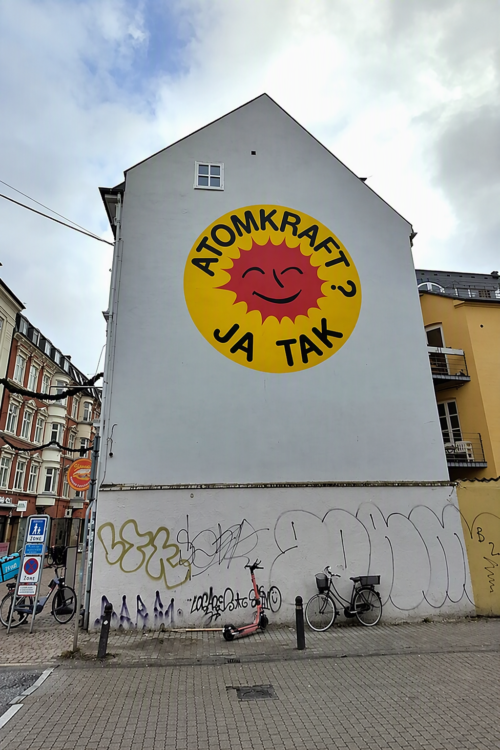
long-standing consensus is now beginning to change.
COPENHAGEN – For more than 40 years, nuclear power has been politically off limits in Denmark. Since 1985, Danish energy planning has excluded nuclear energy, even though the country imports electricity from neighboring countries whose grids include significant nuclear generation, particularly Sweden.
231 words – 3 minutes read
Several right-wing parties in the Danish Parliament have called for the nuclear ban to be lifted, reopening a debate that many believed had been settled decades ago. Their argument is simple: Denmark’s future electricity demand is rising rapidly as transport, heating, and industry become increasingly electrified. According to The Copenhagen Post, parties including Venstre, Liberal Alliance, the Conservatives and Danish People’s Party support removing the 1985 restrictions on nuclear power.
Denmark’s EV Revolution
The debate comes as Denmark experiences now one of Europe’s fastest transitions toward electric vehicles. According to Statistics Denmark, there are today approximately 2.97 million passenger cars registered in Denmark, of which more than 718,000 are fully electric, representing roughly one quarter of the national fleet.
The growth rate remains remarkable. Only a five years ago, only 10% bought a new electric vehicles. Today they dominate the market, with battery-electric vehicles accounting for the overwhelming majority of newly registered cars. If current trends continue, Denmark could exceed one million electric vehicles within the next one year and a half. That would place additional pressure on the country’s electricity system and increase the need for reliable, around-the-clock power generation.
Can Wind and Solar Meet Future Demand?
Denmark is internationally known for its investment in wind power and has become a leader in renewable energy. However, critics argue that an energy system based primarily on wind and solar requires backup generation and large-scale storage to guarantee supply during periods of low production.
Supporters of nuclear power say modern reactor technologies could complement renewable energy by providing cheap, stable, carbon-free electricity regardless of weather conditions. Opponents counter that a nuclear power plants takes at least 15 years to build, and by then Denmark approximately has 3 million electrical cars market. They want to expand offshore wind and create several energy storage facilities near big cities to store enough electricity to keep the economy going and the houses of people heated.
A Generational Shift
Public attitudes toward nuclear power also appear to be changing. The pictures of the atrocity of Hiroshima and the memories of Chernobyl shaped Danish opinion. Nuclear energy became associated with safety concerns and environmental risks. Younger generations, however, have grown up in a different energy landscape. They want access to energy 24/7 to chat with their imaginary love gpt or claude and as a result, nuclear power no longer carries the same political stigma it once did. This does not mean Denmark will build a nuclear power station tomorrow. Even if a political decision were made today, planning, permitting and construction could take more than a decade.
The Debate Is Becoming Unavoidable
The key question is no longer whether Denmark can continue without nuclear power. Rather, it is whether the rapid electrification of transport and society will eventually force policymakers to reconsider all available low-carbon and reuseable energy sources. With electric vehicle adoption accelerating, electricity demand set to rise, and political support for nuclear power growing among several parliamentary parties, the issue is moving from the political fringe toward the mainstream.
EV Nuclear Plant Calculator
1. How many km does an average car drive per day in your country?
2. How many private EV cars are registered in your country today?